Case Study: A Successful Smart Home Transformation in Long Island
Introduction
In the heart of Long Island, a traditional suburban home underwent a remarkable transformation into a state-of-the-art smart home. This case study explores the journey, challenges, and ultimate success of integrating cutting-edge technology into a classic household setting.
The homeowners, eager to embrace modern conveniences, partnered with a leading smart home technology company. Together, they embarked on a mission to enhance comfort, security, and energy efficiency.
Planning and Design
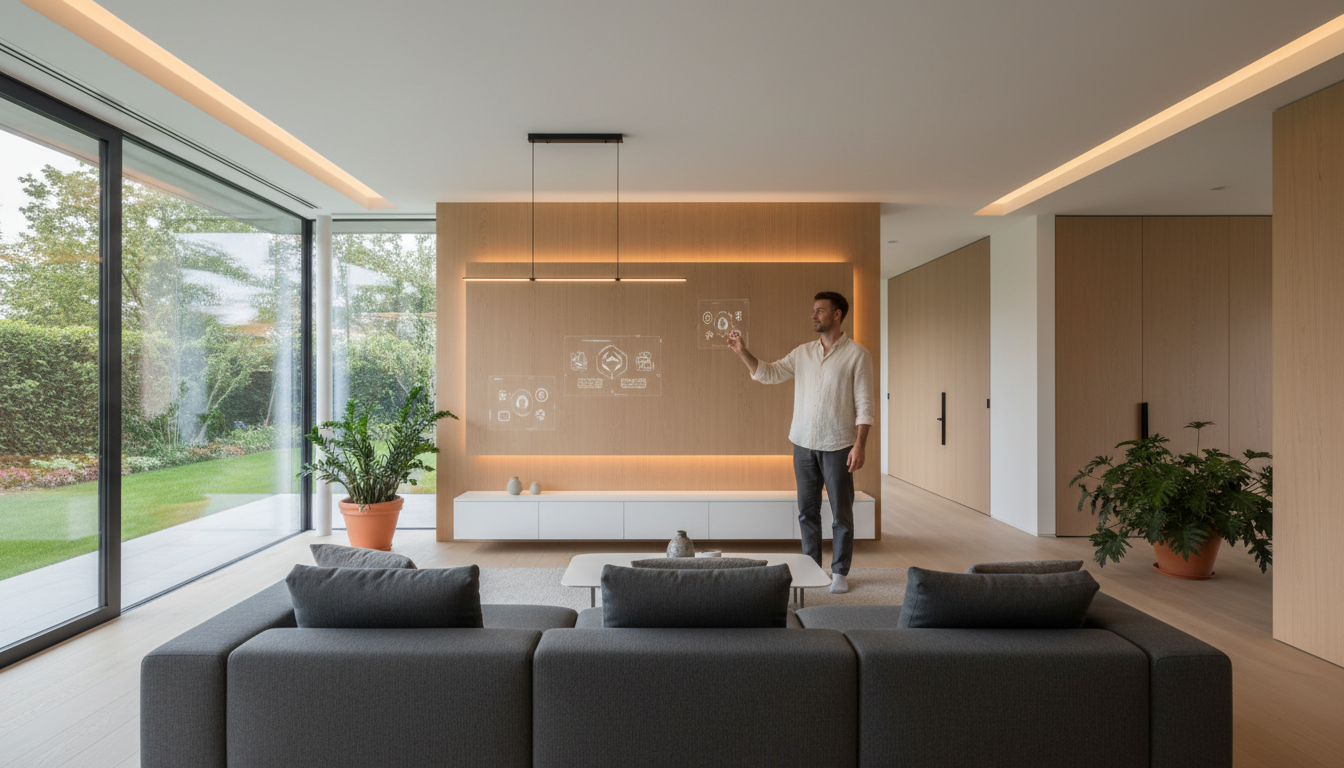
The first step was a comprehensive assessment of the home’s existing infrastructure. The team identified key areas for improvement, including lighting, security, and climate control. Each system required a tailored approach to seamlessly integrate with the smart technology.
The design phase focused on creating a cohesive network that was both user-friendly and scalable. The homeowners prioritized systems that could adapt to their evolving needs, ensuring longevity and relevance.
Challenges Faced
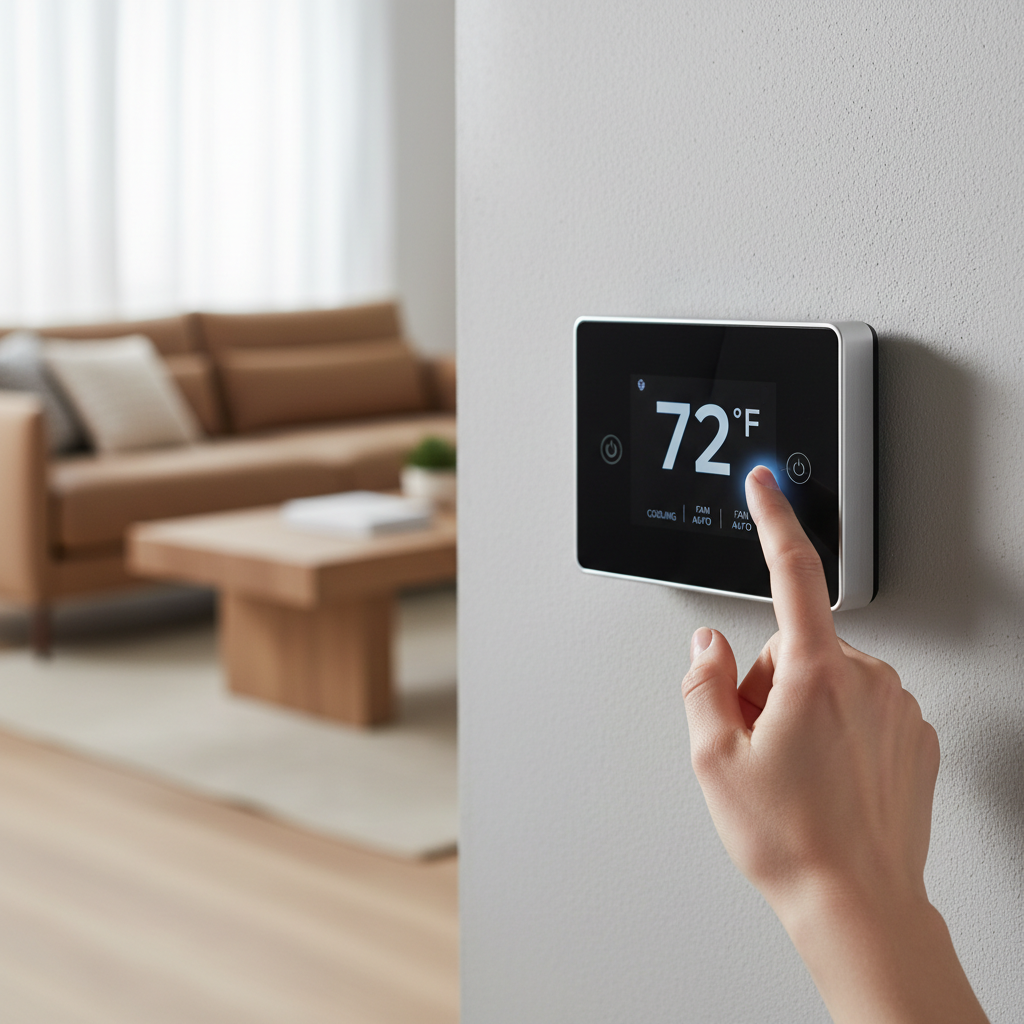
Transforming a traditional home into a smart home was not without challenges. One major hurdle was updating the electrical systems to support new technologies. Additionally, ensuring compatibility between different devices required meticulous planning and testing.
Despite these challenges, the team was committed to maintaining the home's aesthetic appeal while introducing modern functionalities. Solutions were crafted to hide unsightly wires and integrate devices seamlessly into the existing decor.
Implementation
The implementation phase was executed in stages to minimize disruption. The first stage involved upgrading the home’s network to support high-speed internet and ensure robust connectivity for all devices.
Next, smart lighting and climate control systems were installed. These systems allowed the homeowners to control lighting and temperature through voice commands or smartphone apps, significantly enhancing convenience and energy efficiency.
Security Enhancements
The security of the home was a top priority. Advanced surveillance cameras, smart locks, and motion sensors were strategically placed around the property. These enhancements provided peace of mind and allowed remote monitoring of the home.
Integration with mobile devices enabled real-time alerts and remote access control, empowering the homeowners to manage security from anywhere in the world.
Results and Impact
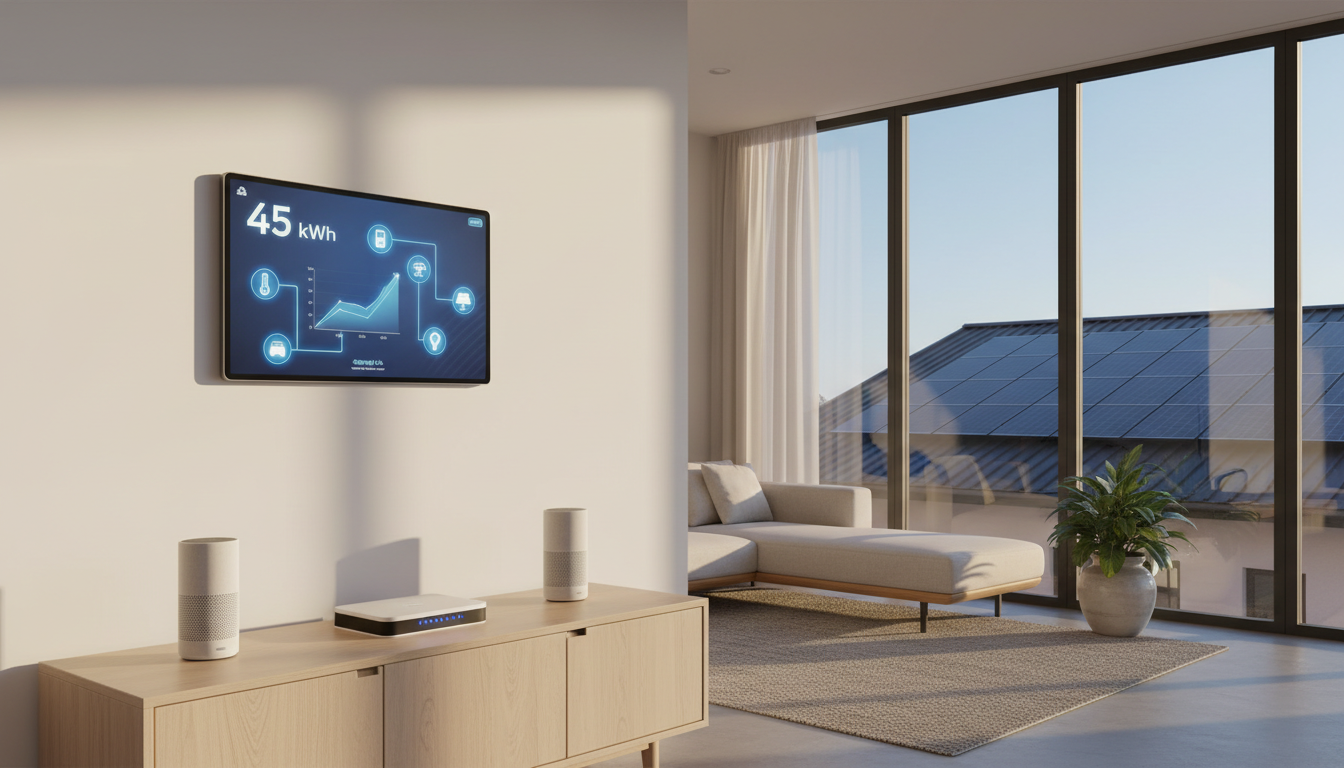
The transformation resulted in a home that was not only more efficient but also more enjoyable to live in. Energy consumption was reduced by 30%, thanks to smart climate control and efficient lighting systems.
Moreover, the convenience of controlling home systems through voice commands or apps significantly improved the homeowners' quality of life. The seamless integration of technology into their daily routines demonstrated the potential of smart homes.
Conclusion
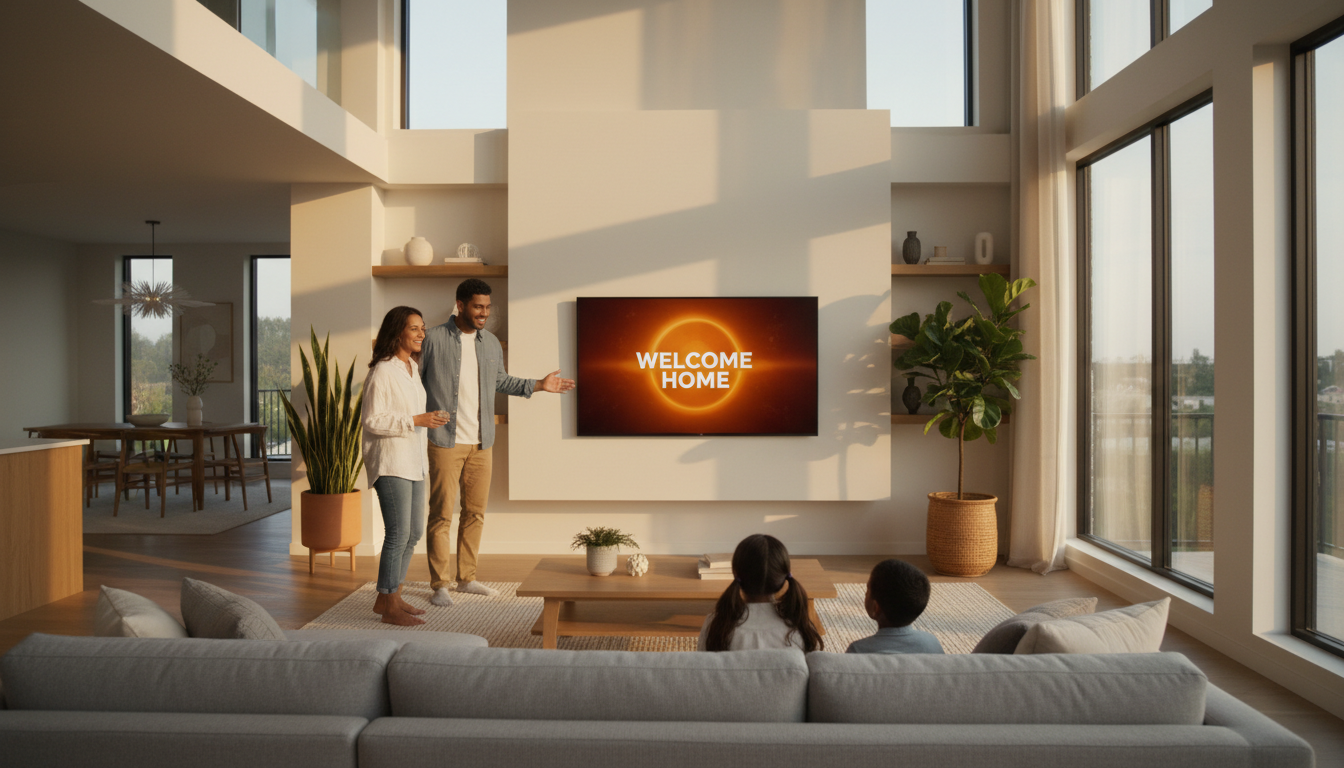
This successful smart home transformation in Long Island serves as an inspiring example for homeowners considering similar upgrades. By embracing technology, the family achieved a modern, comfortable, and secure living environment.
The case study highlights the importance of careful planning, expert implementation, and the willingness to adapt to new technologies. As smart home solutions continue to evolve, the potential for future enhancements remains limitless.