Debunking Myths About Eco-Friendly Construction
Understanding Eco-Friendly Construction
Eco-friendly construction is gaining traction as more people recognize the importance of sustainable living. However, misconceptions about this field persist. Let's explore and debunk some common myths surrounding eco-friendly construction.
One of the most prevalent myths is that eco-friendly construction is exceedingly expensive. While initial costs can be higher due to sustainable materials and technologies, the long-term savings often outweigh these expenses. Energy-efficient homes save money on utility bills and maintenance over time.
Myth: Eco-Friendly Construction Lacks Durability
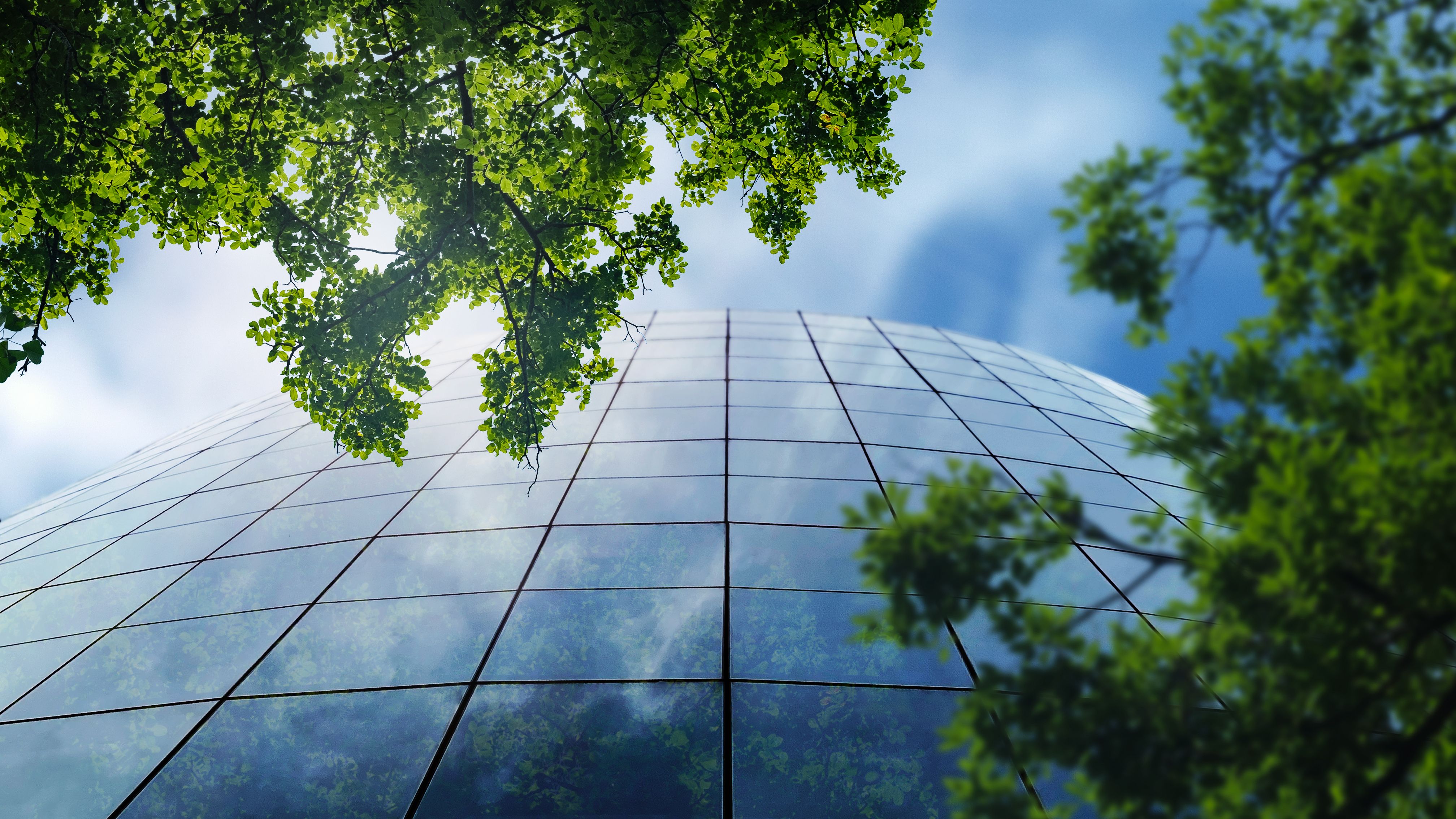
A misconception is that environmentally friendly buildings are not as durable as conventional ones. In reality, sustainable materials like bamboo and recycled metal are incredibly robust and designed to last. These materials often surpass traditional options in terms of longevity and resilience.
Additionally, eco-friendly construction emphasizes quality craftsmanship, which further enhances durability. Builders focus on creating structures that withstand environmental challenges, ensuring a longer lifespan.
Myth: Limited Design Options
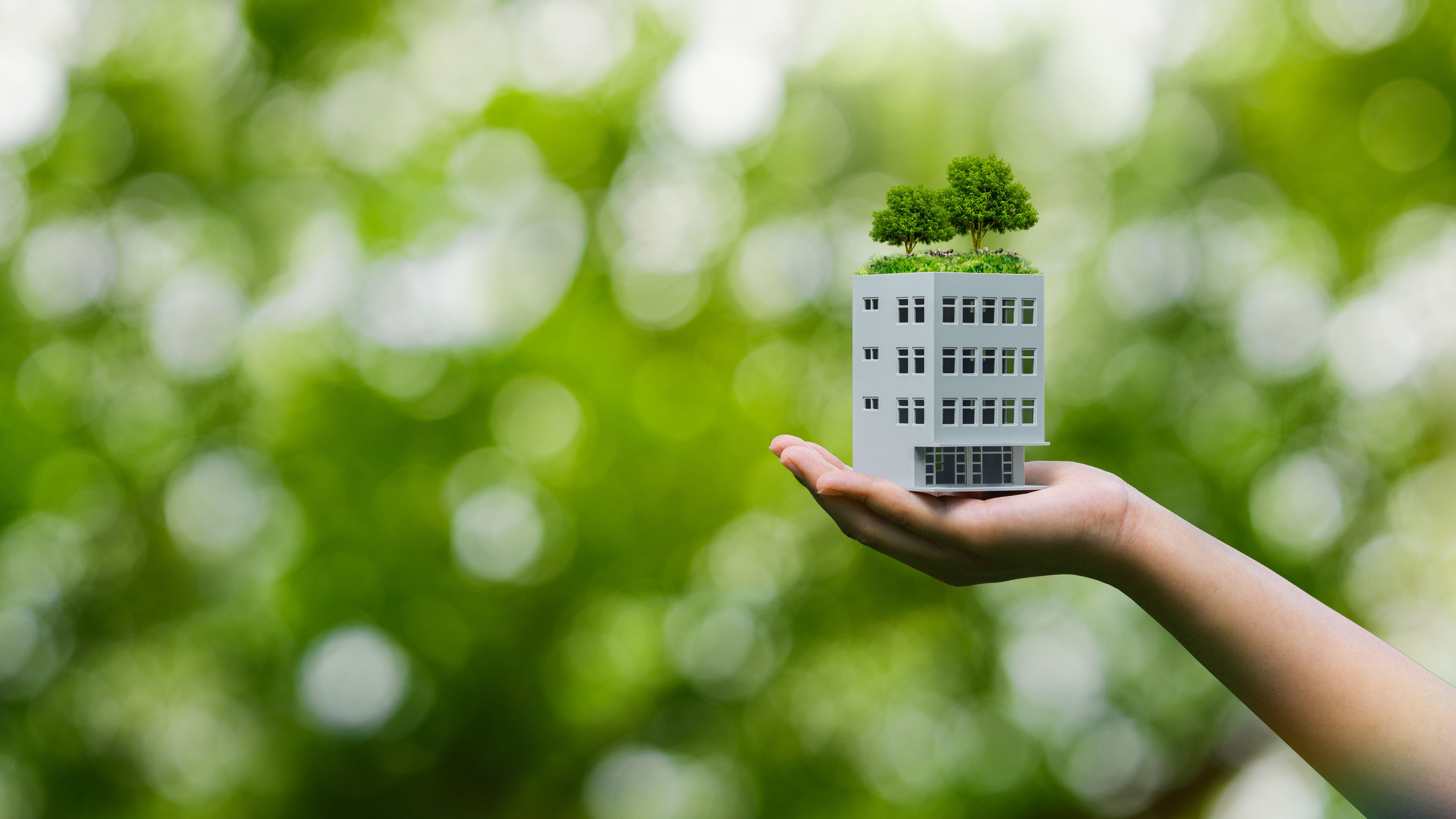
Another myth is that eco-friendly construction limits design possibilities. On the contrary, sustainable building methods offer a plethora of design options. Architects and builders can incorporate innovative designs that are both aesthetically pleasing and environmentally responsible.
From modern to rustic styles, eco-friendly construction accommodates various architectural preferences. The emphasis is on blending functionality with beauty, allowing for creative expression without compromising sustainability.
Myth: It’s Only for New Constructions
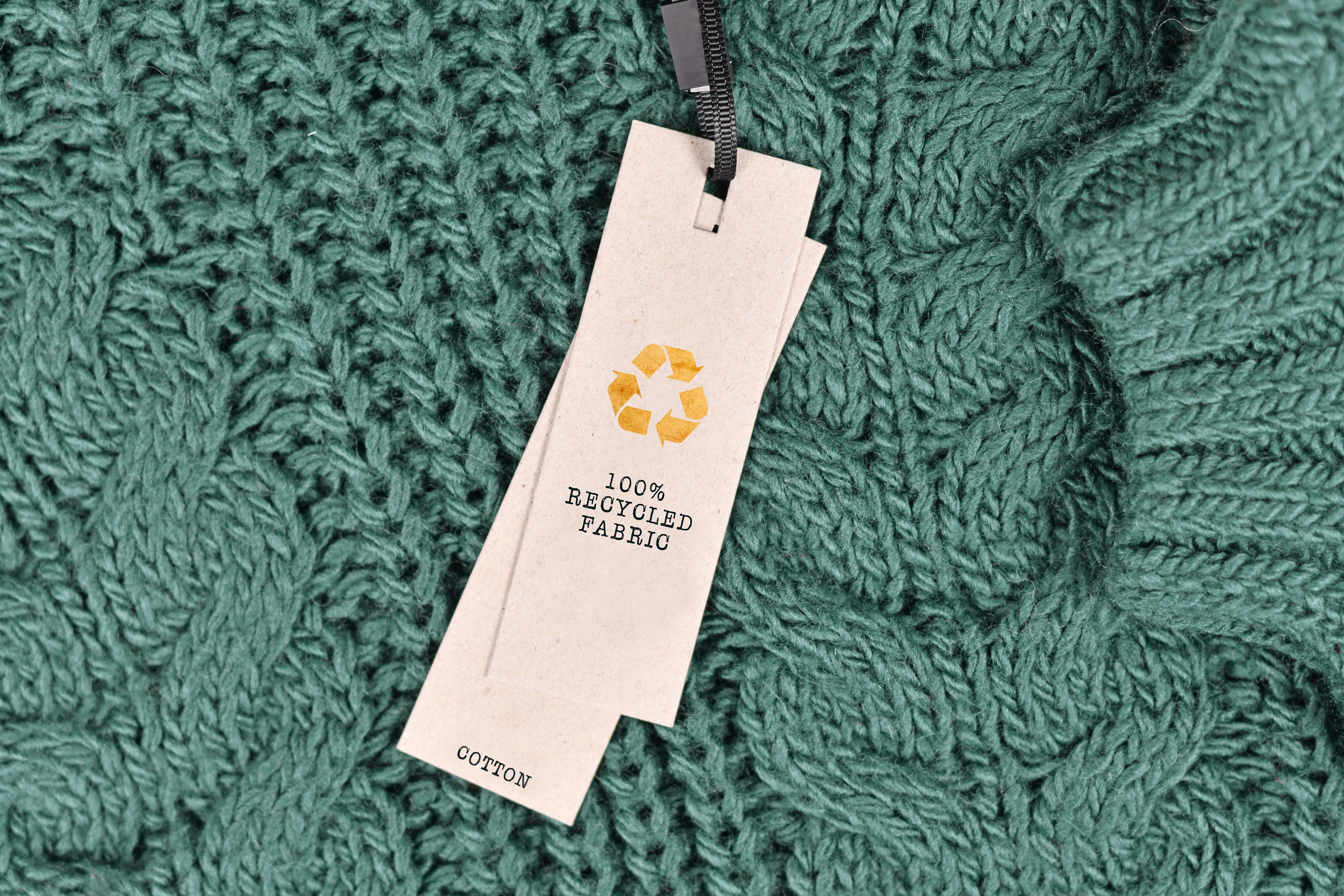
Many believe that sustainability in construction is only applicable to new buildings. However, retrofitting existing structures with eco-friendly technologies is both feasible and beneficial. Upgrades such as better insulation, solar panels, and energy-efficient windows can transform older buildings into sustainable spaces.
This approach not only reduces environmental impact but also enhances the value and comfort of older properties, making it a viable option for many homeowners.
Conclusion: Embracing Sustainable Practices
Debunking these myths highlights the potential and practicality of eco-friendly construction. By understanding the realities, more individuals and businesses can make informed decisions about adopting sustainable building practices.
Eco-friendly construction is not just a trend but a necessary evolution in the way we build and live. By embracing these practices, we contribute to a healthier planet and a more sustainable future.