DIY Winter Proofing: Simple Projects to Protect Your Home
Seal Drafty Windows and Doors
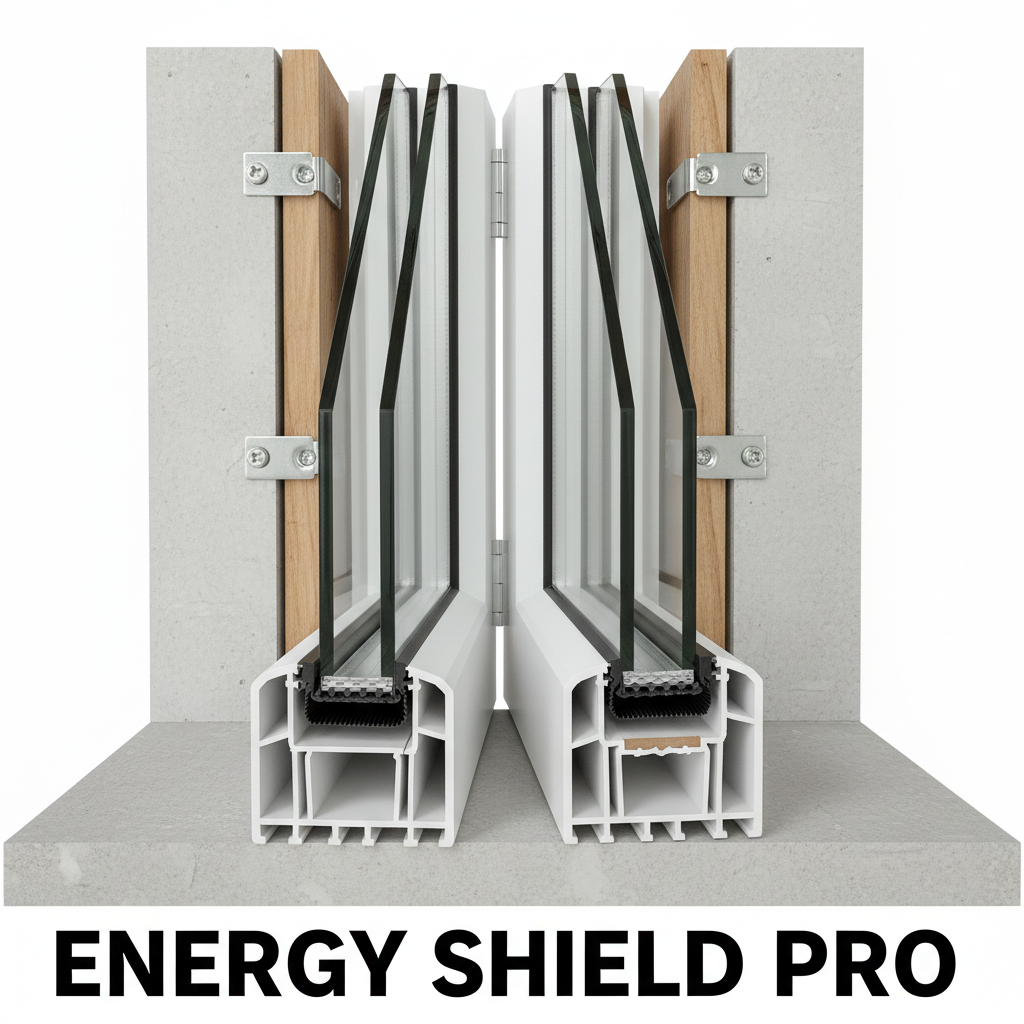
One of the most effective ways to winter-proof your home is by sealing drafty windows and doors. Start by inspecting your home for drafts. You can do this by holding a lit candle near the edges of windows and doors. If the flame flickers, you have a draft. Use weatherstripping or caulk to seal these gaps and keep the cold air out.
For a more temporary solution, consider using draft stoppers or rolled-up towels at the base of doors. These simple measures can significantly reduce heat loss.
Insulate Your Attic
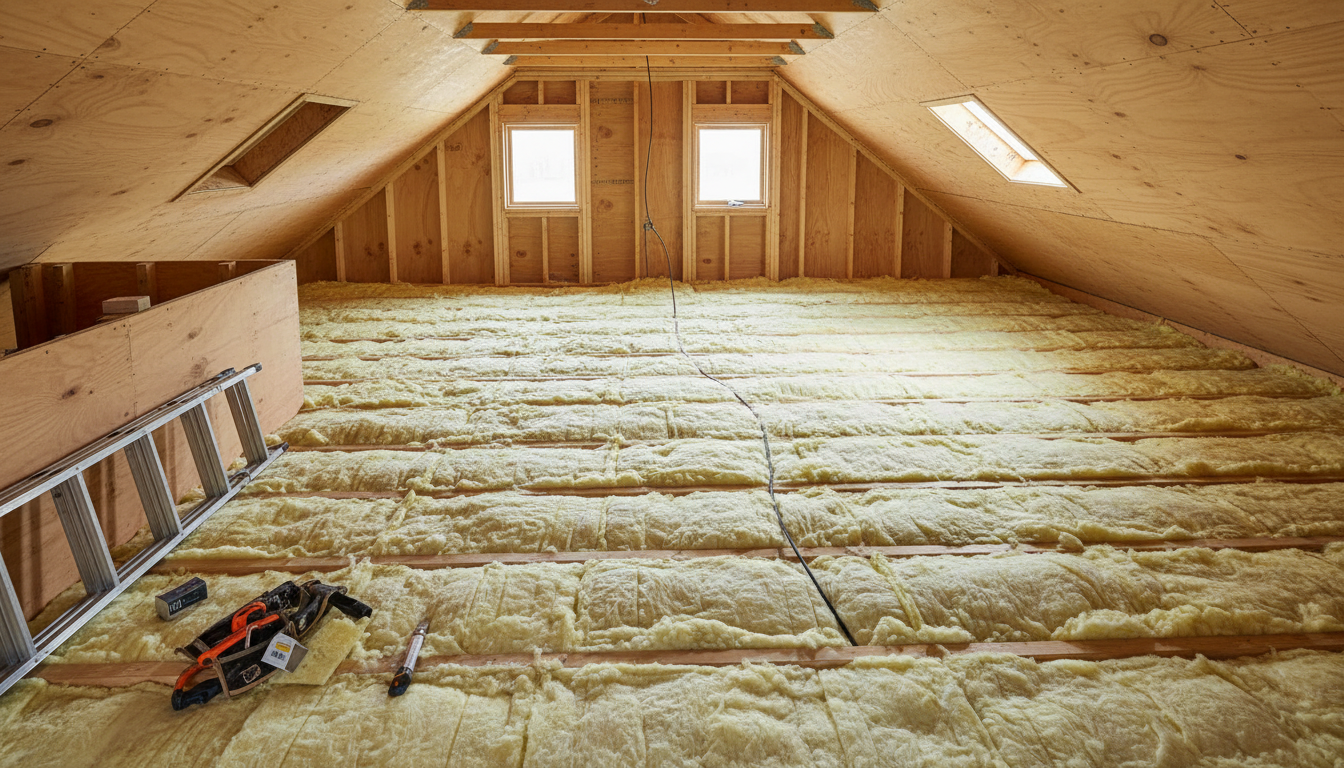
Proper attic insulation is crucial for maintaining a warm home. Heat rises, and without adequate insulation, you could be losing a lot of warmth through your roof. Consider adding more insulation if it's below the recommended level in your area. This can often be a DIY project with the right materials and safety precautions.
Additionally, check for any air leaks in your attic and seal them with spray foam or caulk. This can prevent warm air from escaping and help keep your home cozy throughout the winter months.
Maintain Your Heating System
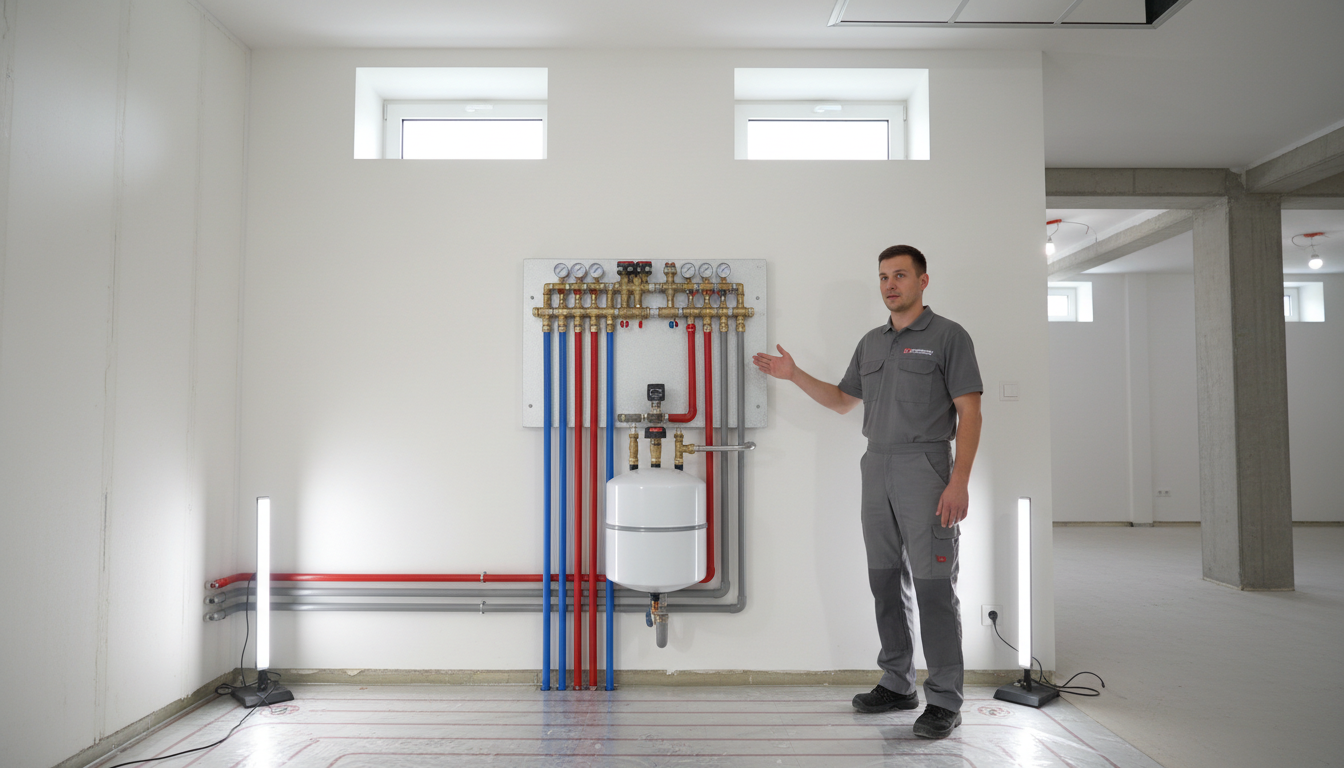
Your heating system is your home's frontline defense against the cold. Ensure it operates efficiently by performing regular maintenance. Start by replacing or cleaning the air filters. A clogged filter can restrict airflow and make your system work harder, increasing energy consumption.
Schedule a professional inspection to check for any issues that might need repair. This will help ensure your heating system is running at peak performance when you need it most.
Protect Your Pipes
Frozen pipes can be a homeowner's nightmare during winter. To prevent this, insulate any exposed pipes in unheated areas such as basements or garages. Pipe insulation sleeves or heat tape are effective solutions.
Additionally, during extreme cold spells, keep a trickle of water running from your faucets. This helps prevent the water in the pipes from freezing.
Reverse Ceiling Fans
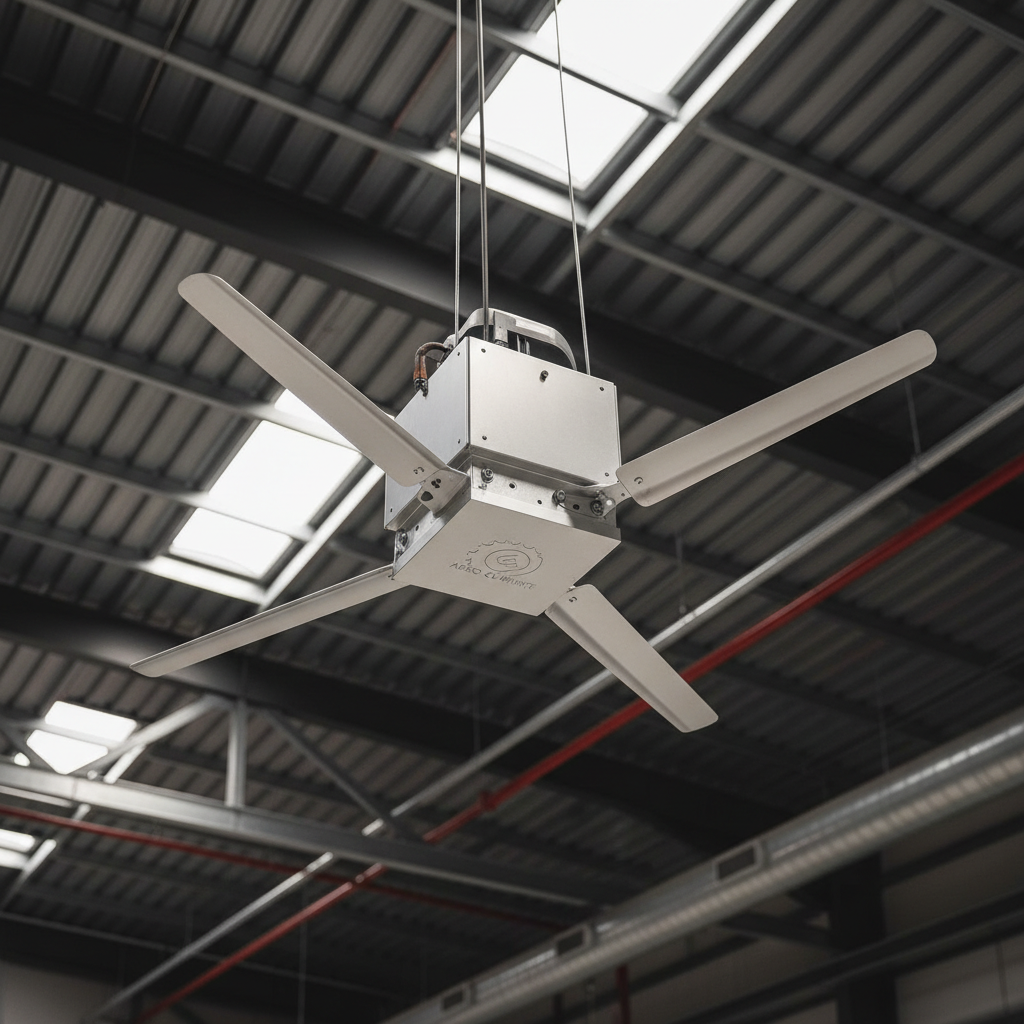
Did you know your ceiling fan can help keep your home warm in winter? By reversing the direction of the fan blades to clockwise, you can push warm air down from the ceiling, improving overall circulation and warmth in the room.
Most ceiling fans have a small switch that allows you to change the blade direction. Use it to maximize your home's heating efficiency during the colder months.
Install Storm Windows and Doors
If you live in an area prone to extreme winter weather, consider installing storm windows and doors. These provide an extra layer of protection against the cold and help reduce drafts.
Storm windows and doors can be a bit of an investment, but they pay off by reducing energy bills and increasing comfort levels in your home.
Prepare Your Fireplace
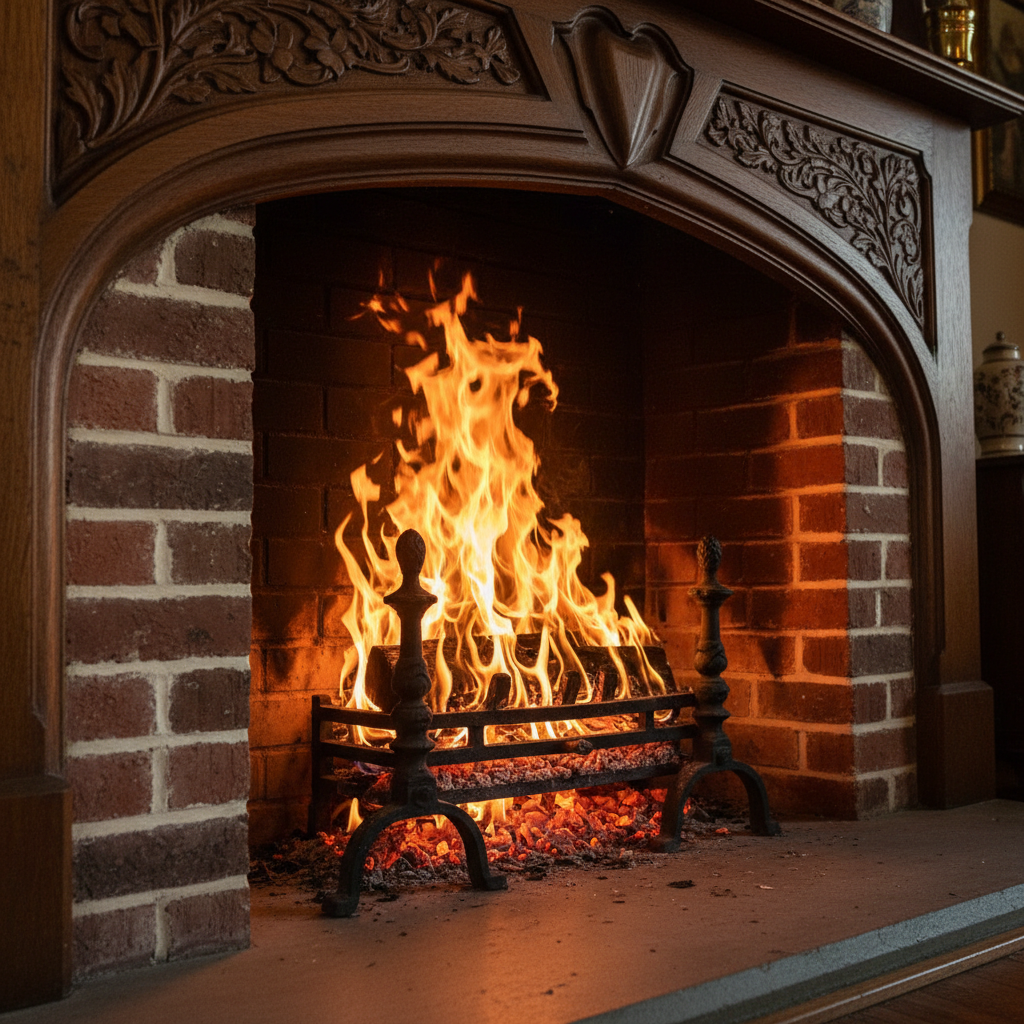
A fireplace can be a great source of warmth, but it needs proper maintenance. Ensure your chimney is clean and free of obstructions. A chimney cap can also help prevent debris and animals from entering.
If you don't use your fireplace, make sure the damper is closed to prevent cold air from entering your home. Consider installing glass doors for additional insulation.