Eco-Friendly Construction Solutions on Long Island: A Comprehensive Guide
As environmental awareness grows, more homeowners and builders on Long Island are turning to eco-friendly construction solutions. These sustainable practices not only benefit the environment but also offer long-term cost savings and healthier living spaces. In this guide, we'll explore various eco-friendly construction methods and materials that are gaining popularity in the region.
Understanding Eco-Friendly Construction
Eco-friendly construction involves using sustainable materials and practices to minimize the environmental impact of building projects. This approach focuses on energy efficiency, resource conservation, and reducing waste. By integrating these principles, builders can create homes and buildings that are both environmentally responsible and economically viable.
Sustainable Building Materials
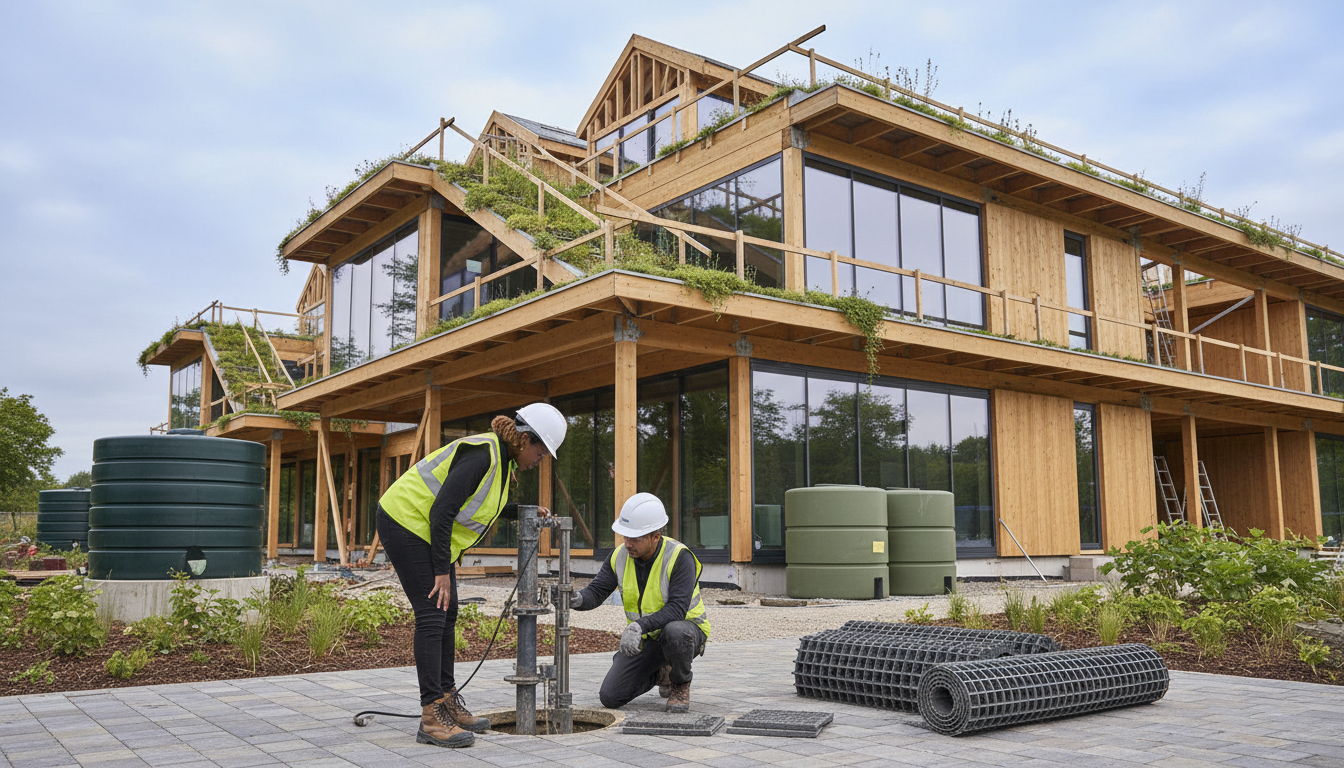
One of the key components of eco-friendly construction is the use of sustainable building materials. These materials are either renewable, recycled, or have a low environmental impact. Some popular options include:
- Bamboo: A fast-growing, renewable material used for flooring and cabinetry.
- Recycled steel: Used for structural support, reducing the need for new metal production.
- Reclaimed wood: Provides a rustic look while minimizing deforestation.
Energy Efficiency
Energy efficiency is a crucial aspect of eco-friendly construction. By reducing energy consumption, homeowners can lower their utility bills and decrease their carbon footprint. Consider these strategies:
- Insulation: High-quality insulation reduces the need for heating and cooling, leading to significant energy savings.
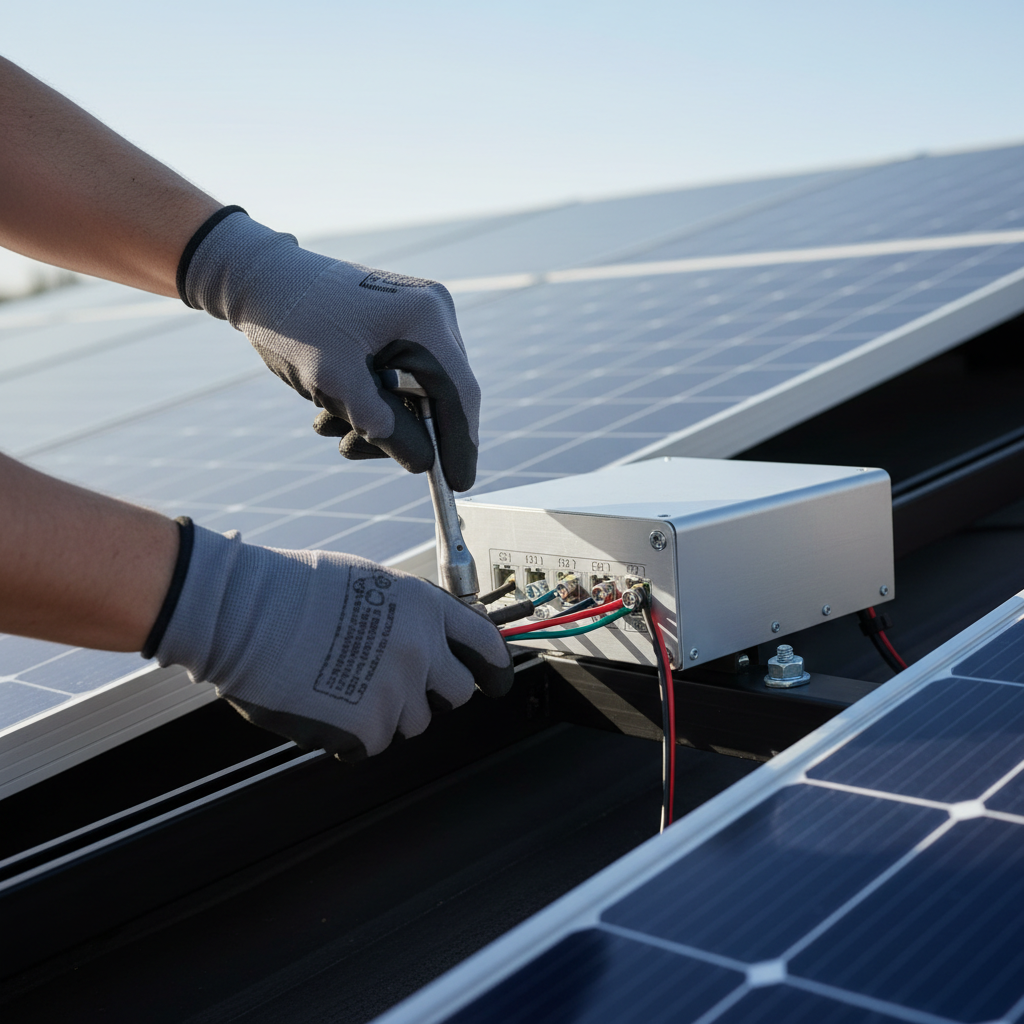
- Solar panels: Harness the sun's energy to power homes, reducing reliance on fossil fuels.
- Energy-efficient windows: Double or triple-glazed windows help maintain indoor temperatures.
Water Conservation Techniques
Water conservation is another critical element of sustainable construction. Implementing water-saving techniques can help preserve local water resources and reduce utility costs. Here are some effective methods:
- Low-flow fixtures: Install faucets, showerheads, and toilets designed to use less water.
- Rainwater harvesting: Collect rainwater for irrigation and non-potable uses.
- Xeriscaping: Landscape with drought-resistant plants to minimize water use.
Waste Reduction Strategies
Reducing waste during construction is essential for minimizing environmental impact. Builders can adopt practices such as:
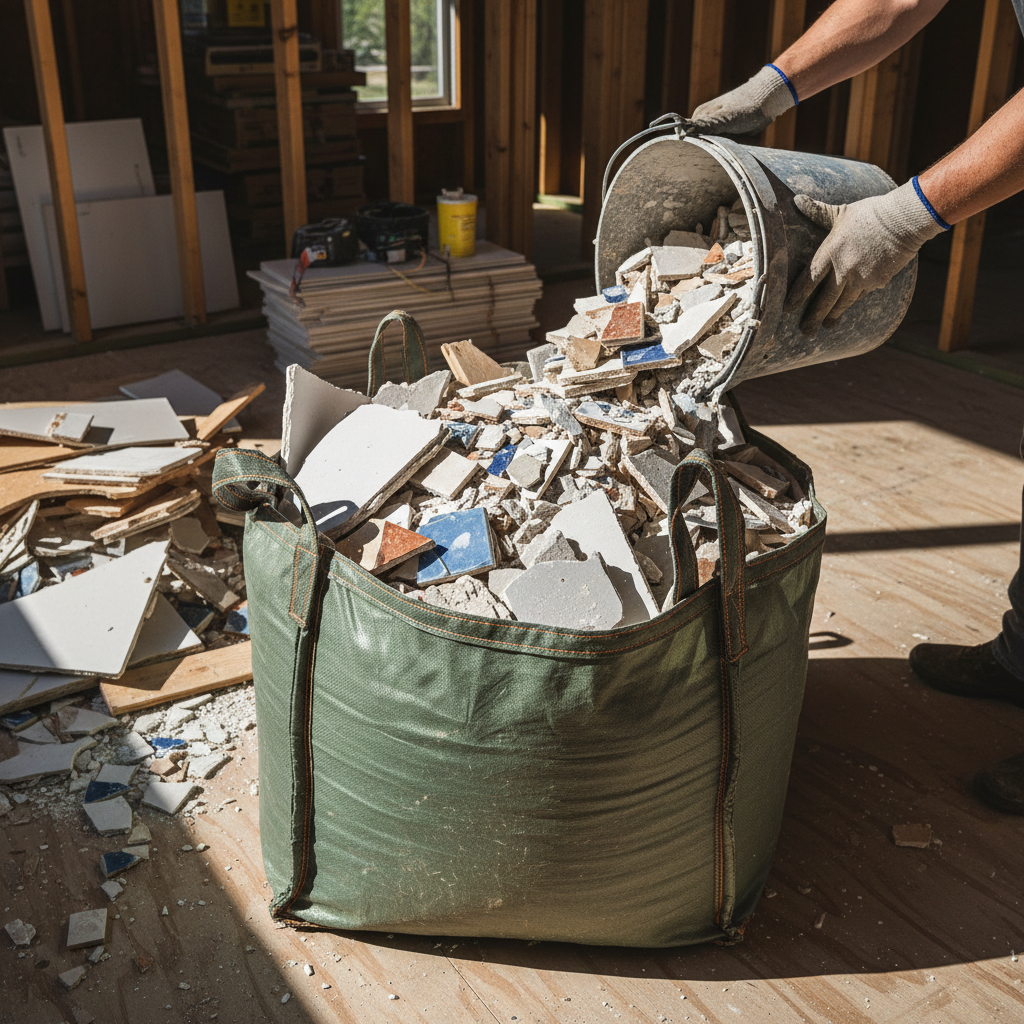
- Recycling construction debris: Separate and recycle materials like concrete, wood, and metal.
- Prefabrication: Use prefabricated components to reduce on-site waste and improve efficiency.
- Deconstruction: Carefully dismantle existing structures to salvage reusable materials.
Benefits of Eco-Friendly Construction
Choosing eco-friendly construction methods offers numerous benefits beyond environmental protection. Homeowners can enjoy improved indoor air quality, reduced utility bills, and increased property value. Additionally, sustainable buildings often require less maintenance, resulting in long-term savings.
By embracing eco-friendly construction solutions, Long Island residents can contribute to a more sustainable future while enhancing their homes' comfort and efficiency. As more people recognize the advantages of sustainable building practices, the demand for green construction is expected to grow, making it an essential part of the region's development strategy.