How to Choose the Right Eco-Friendly Materials for Your Long Island Home
Understanding Eco-Friendly Materials
Choosing the right eco-friendly materials for your Long Island home is a crucial step towards sustainability and energy efficiency. Eco-friendly materials not only reduce your carbon footprint but also enhance the health and comfort of your living space. By opting for sustainable options, you contribute to a healthier environment while potentially saving on energy costs.
Before diving into options, it's essential to understand what makes a material eco-friendly. These materials are typically renewable, recyclable, or have a minimal impact on the environment during their production and disposal. Consider factors such as energy efficiency, durability, and the possibility of recycling or repurposing.

Types of Eco-Friendly Building Materials
When selecting materials for your home, consider a variety of options that align with your sustainability goals. Here are some popular choices:
- Bamboo: Known for its rapid growth and renewability, bamboo is an excellent alternative to traditional hardwoods.
- Recycled Steel: This material is strong, durable, and can be reused multiple times without losing its properties.
- Reclaimed Wood: Salvaged from old structures, reclaimed wood adds character and reduces the need for new lumber.
These materials not only promote sustainability but often bring unique aesthetic qualities to your home.
Choosing the Right Insulation
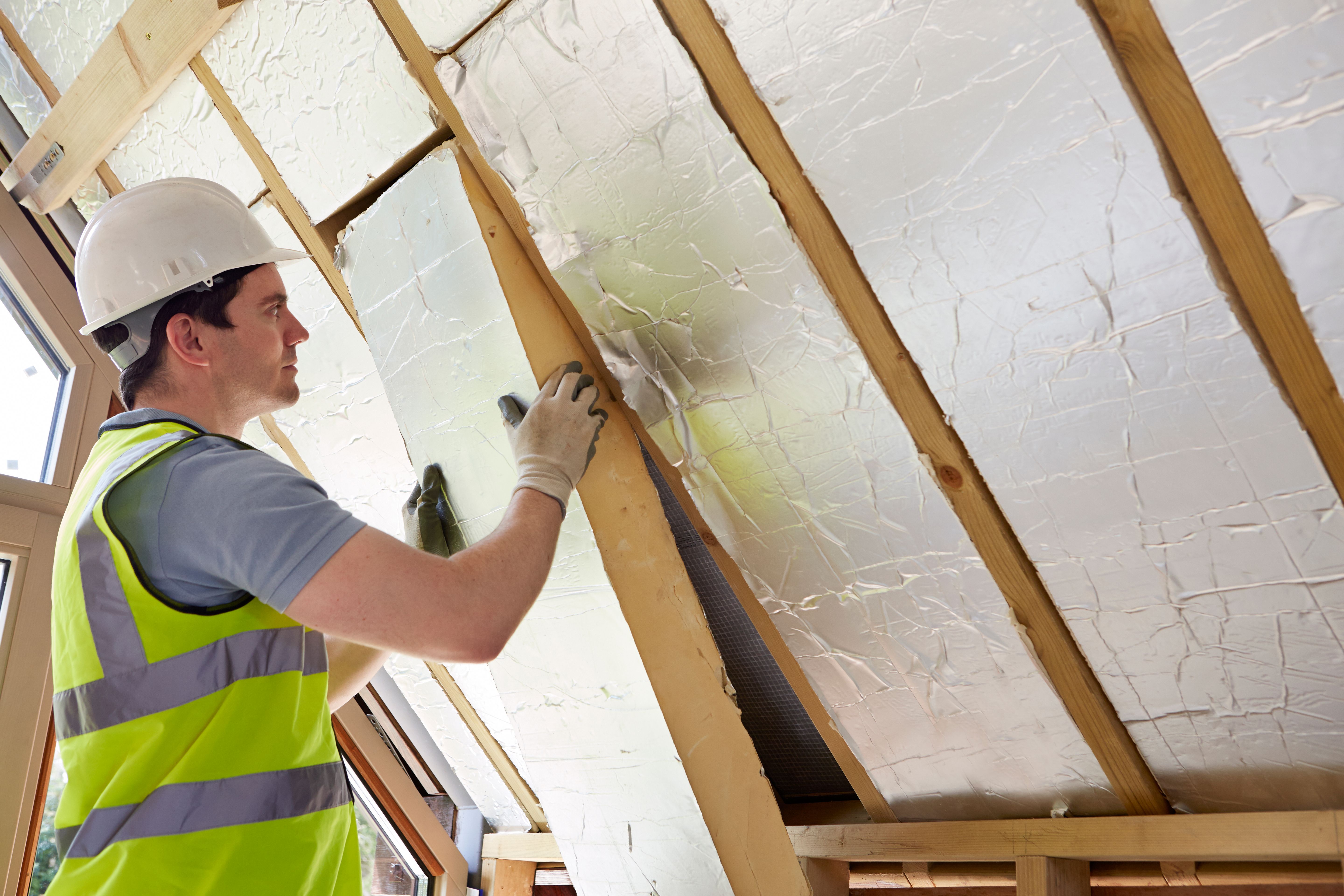
Insulation is a critical component in maintaining energy efficiency. Opting for eco-friendly insulation materials can significantly reduce your home's energy consumption. Consider using:
- Cotton (Denim): Made from recycled cotton, this insulation is effective and safe.
- Cellulose: Composed of recycled paper products, cellulose is both efficient and environmentally friendly.
Eco-Friendly Flooring Options
Your choice of flooring can have a significant impact on your home's sustainability. Sustainable flooring options include:
- Cork: Harvested from the bark of cork oak trees, it regenerates every few years, making it a renewable resource.
- Linoleum: Made from natural materials like linseed oil and wood flour, it’s biodegradable and durable.
These options not only minimize environmental impact but also offer durability and style.

Considerations for Paint and Finishes
Traditional paints and finishes can release volatile organic compounds (VOCs) that harm indoor air quality. Opt for low-VOC or zero-VOC paints to ensure a healthier indoor environment. Additionally, look for natural finishes and sealants to complement your eco-friendly materials.
These choices contribute to a healthier home and are particularly beneficial for those with allergies or respiratory issues.
Local Sourcing and Its Benefits
One of the simplest ways to ensure the sustainability of your materials is to source them locally. Local materials reduce transportation emissions and support regional economies. Long Island offers a variety of local suppliers that provide sustainable building materials tailored to the local climate and environment.
By choosing locally sourced materials, you not only enhance the sustainability of your home but also strengthen the community.