Seasonal Home Preparation: Essential Construction Tips for Long Island Winters
Preparing Your Home for Long Island Winters
As winter approaches, Long Island homeowners must take proactive steps to prepare their homes for the colder months. With the right preparation, you can ensure your home remains warm, safe, and energy-efficient, even in the harshest weather conditions.
Winterizing your home involves several crucial tasks, from sealing drafts to insulating pipes. By addressing these areas, you can prevent damage and reduce heating costs, making your home a more comfortable place during the winter.
Seal Drafts and Insulate
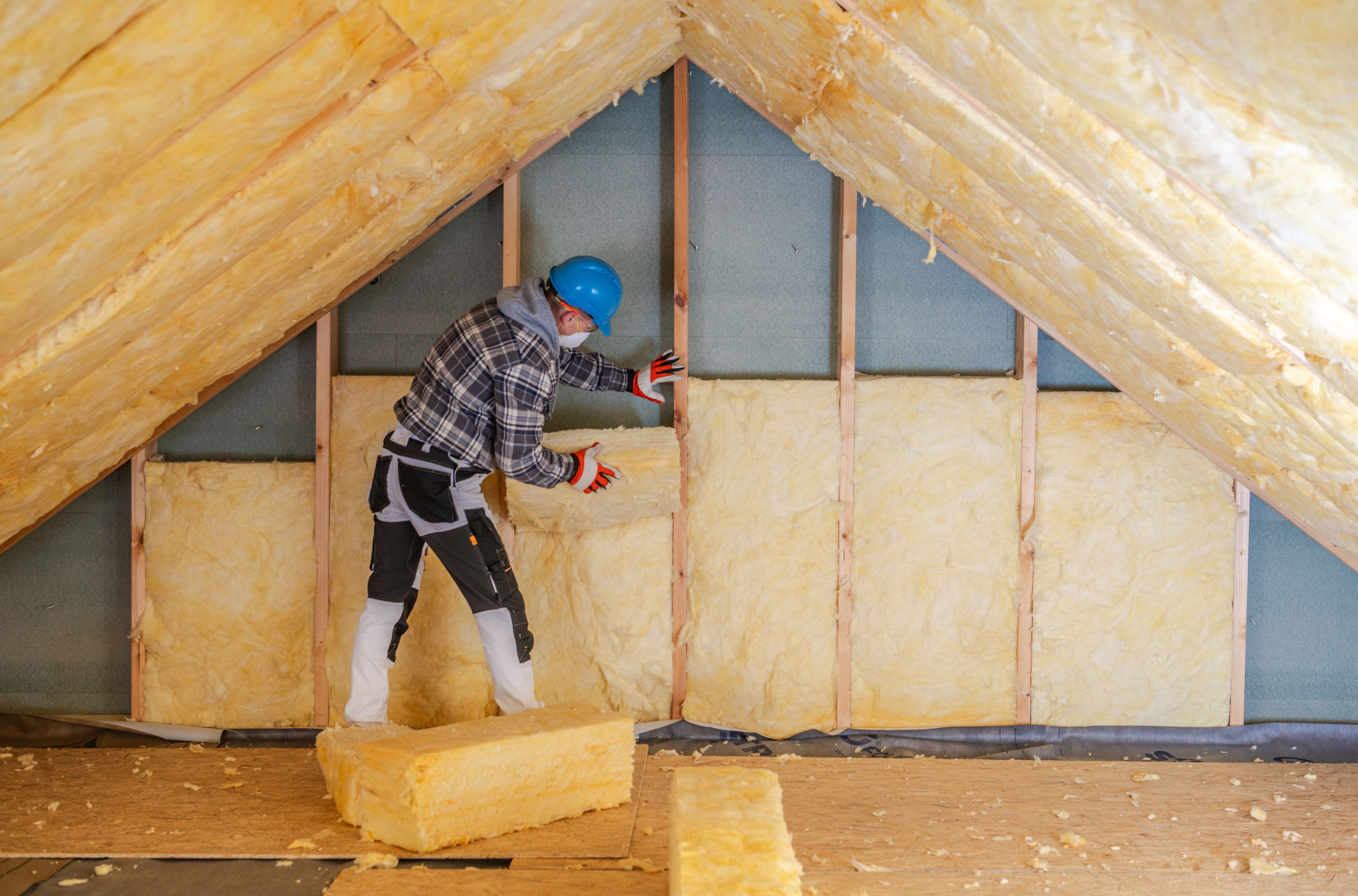
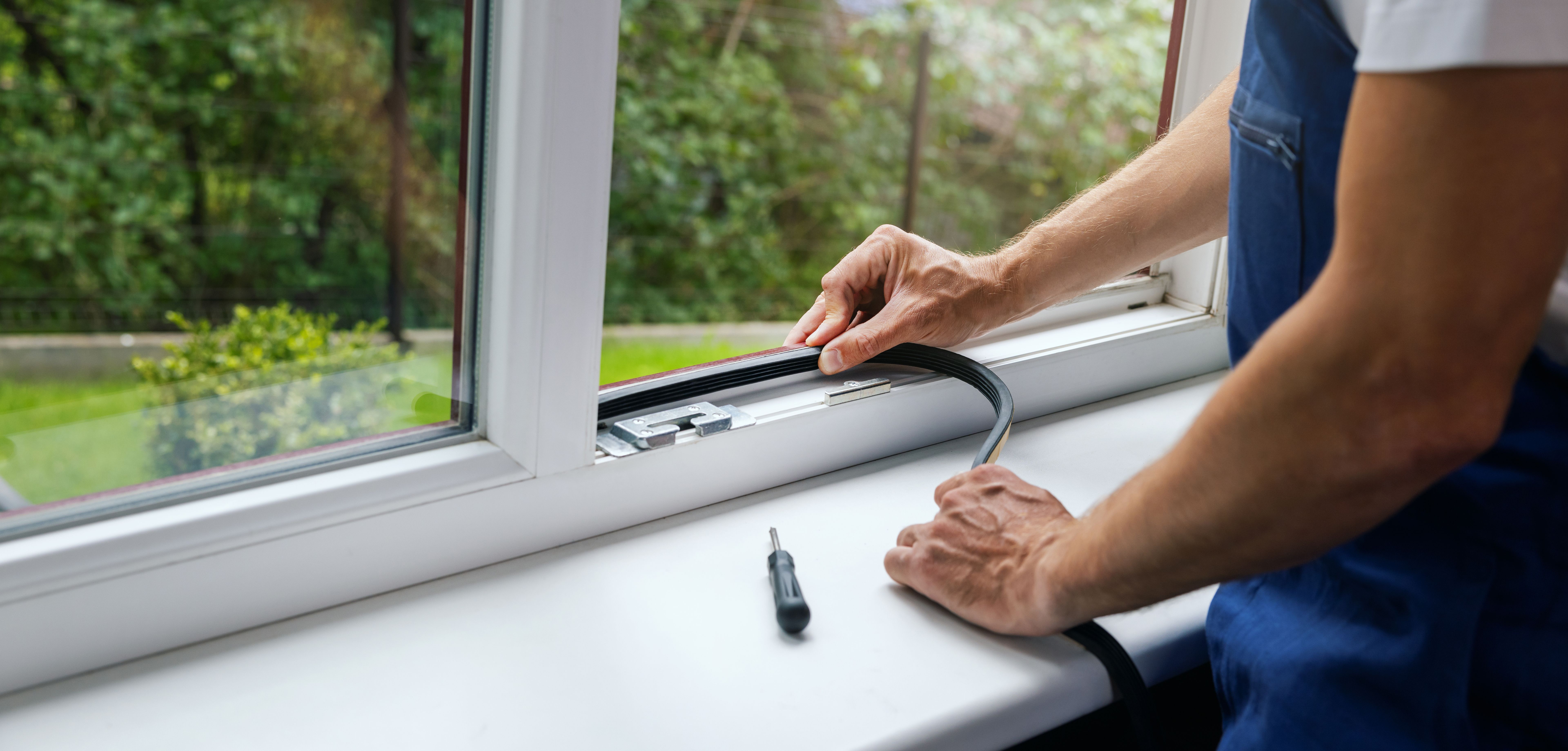
One of the most effective ways to keep your home warm is by sealing drafts and adding insulation. Check windows and doors for any gaps that could let cold air in. Use weatherstripping or caulk to seal these areas effectively.
Insulation is another critical aspect. Ensure your attic, walls, and basement have adequate insulation. This will prevent heat from escaping, allowing your heating system to work more efficiently.
Maintain Your Heating System
Your heating system is essential for winter comfort. Schedule a professional inspection to ensure it’s running efficiently. Replace filters regularly and consider upgrading to a programmable thermostat for better energy control.
- Check for any unusual noises or smells from your furnace.
- Clean vents and ducts to improve airflow.
- Consider an energy audit to identify areas for improvement.
Protect Your Pipes
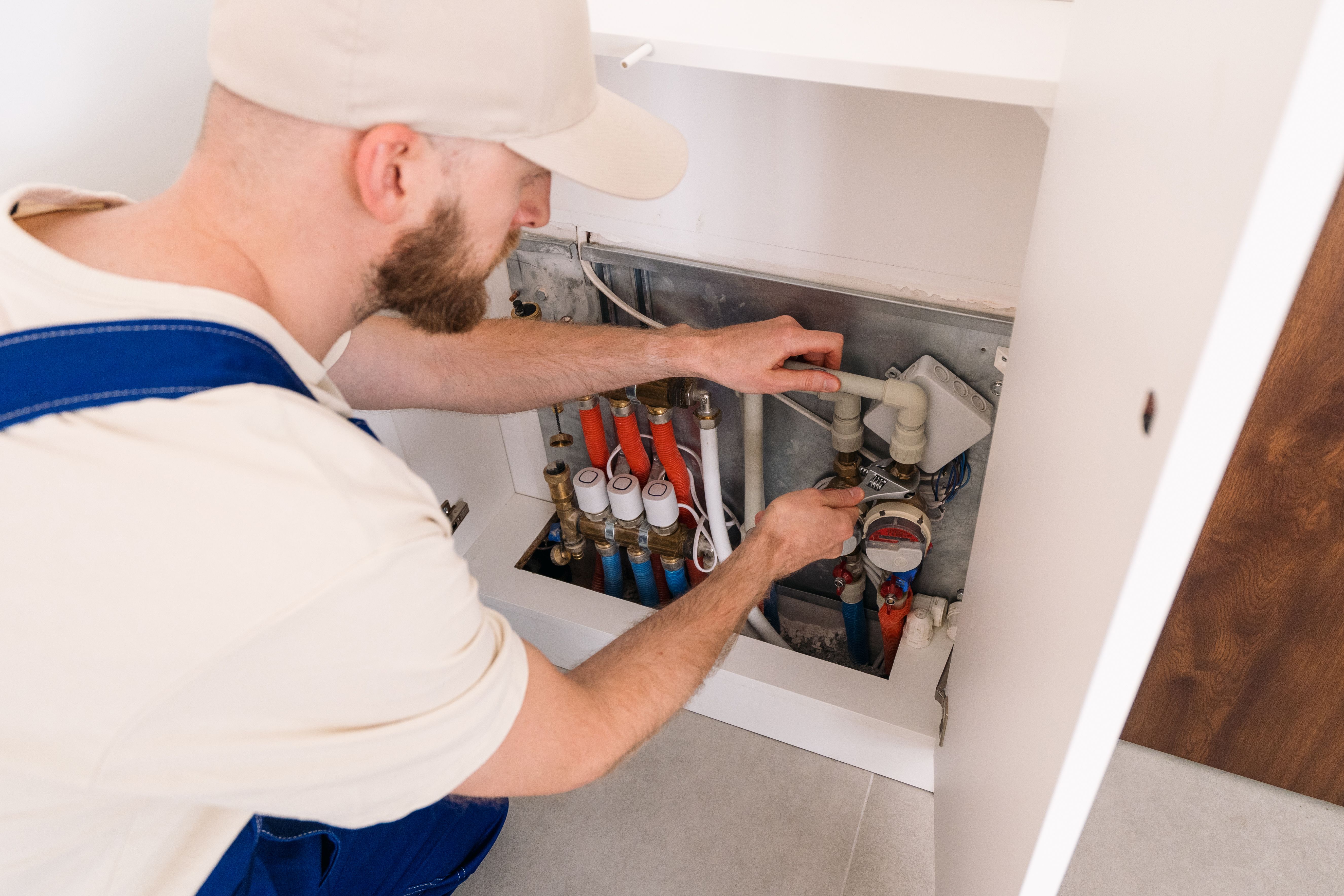
Pipe insulation is crucial to prevent freezing, which can lead to bursts and costly repairs. Insulate pipes in unheated areas, such as garages or crawl spaces, and disconnect garden hoses to avoid outdoor faucets freezing.
In extremely cold weather, keep a trickle of water running through faucets to prevent freezing. This simple step can save you from significant damage and inconvenience.
Check Your Roof and Gutters
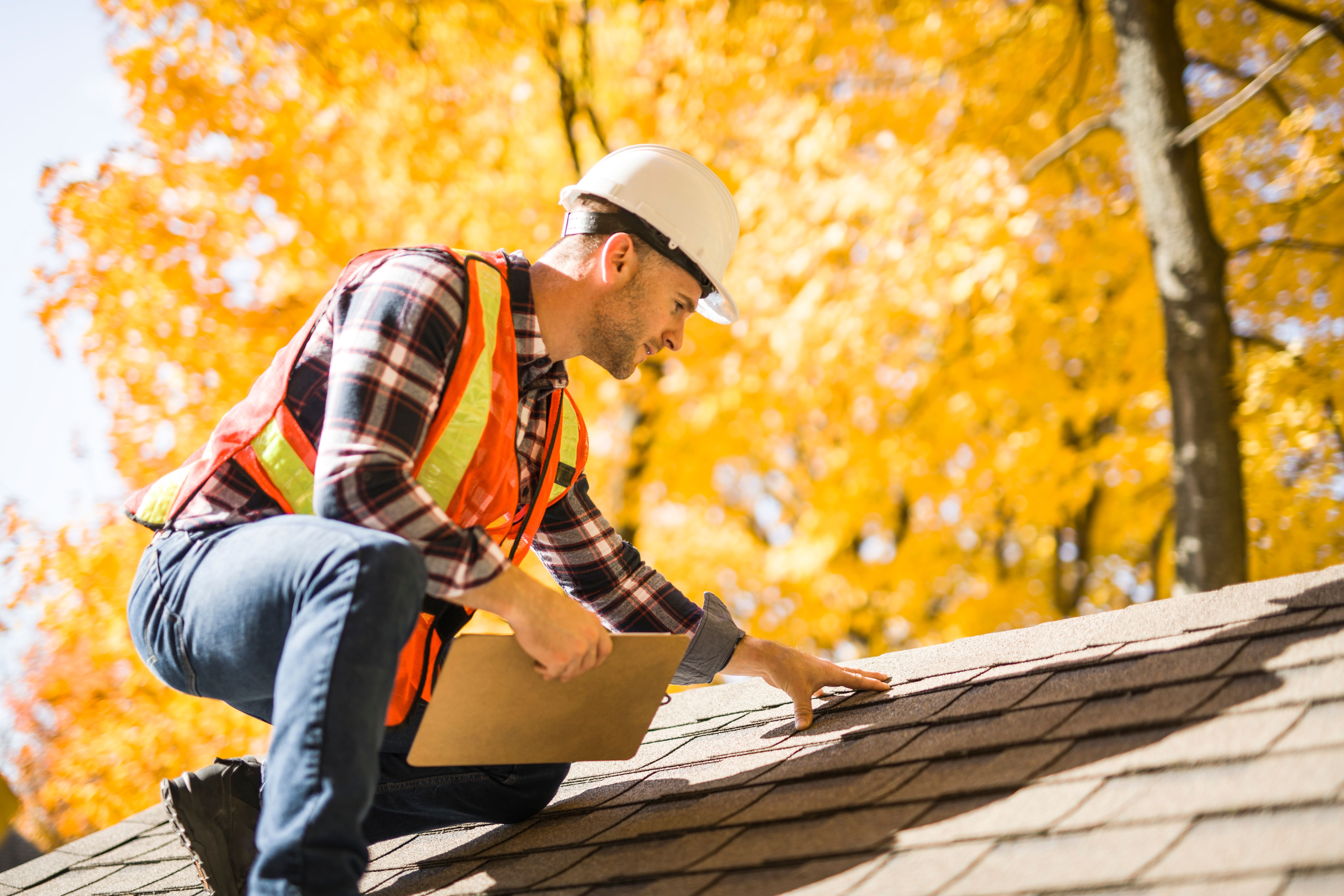
Inspect your roof for any damaged or missing shingles, as these can lead to leaks during snowstorms. It's also essential to ensure your gutters are clear of debris to allow snowmelt to drain properly.
- Remove leaves and twigs from gutters.
- Check downspouts for proper drainage.
- Consider installing gutter guards to prevent future clogs.
Emergency Preparedness
Lastly, prepare for potential winter emergencies. Stock up on essentials like food, water, and medications. Have a plan for power outages, including flashlights, batteries, and a backup heat source.
Ensure your family knows the emergency plan and keep important contacts handy. By taking these steps, you can face winter storms with confidence and peace of mind.