Understanding Local Regulations for Home Improvement in Long Island
Introduction to Local Regulations
Embarking on a home improvement project in Long Island requires more than just a creative vision and a skilled contractor. It is essential to understand the local regulations that govern construction and renovation activities. Navigating these rules ensures your project is compliant and helps avoid potential legal issues.
In this guide, we’ll explore the various regulations you need to be aware of, from obtaining the right permits to adhering to zoning laws. Whether you're renovating a kitchen or adding an extension, understanding these rules is crucial.
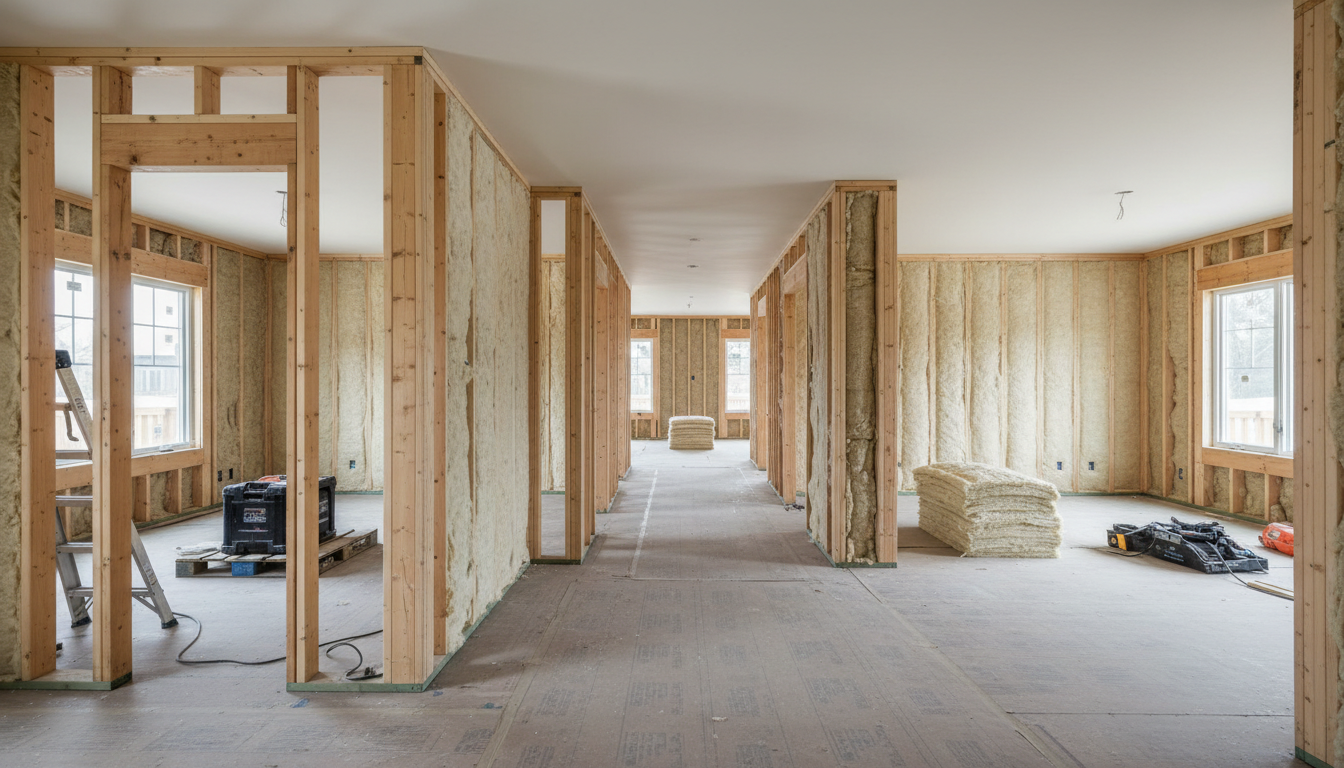
Permits: The First Step
The first step in any home improvement project is securing the proper permits. In Long Island, permits are typically required for structural changes, electrical work, plumbing, and more. Failure to obtain the necessary permits can result in fines and may even require you to undo the work.
To obtain a permit, you’ll need to submit detailed plans of your project. These plans must comply with local building codes, which are designed to ensure safety and quality. It’s often beneficial to work with a professional who understands these requirements.
Types of Permits
- Building Permits: Required for structural changes.
- Electrical Permits: Necessary for any new wiring or electrical changes.
- Plumbing Permits: Needed for changes to water systems.
Zoning Laws and Considerations
Zoning laws in Long Island dictate how land can be used and what types of structures can be built. These laws can vary significantly between different towns and villages. Understanding them is crucial to ensure your project is feasible.
For example, some areas may have restrictions on building heights, setbacks from property lines, or the types of structures allowed. Consulting with a local expert or the zoning office can provide clarity on these regulations.

Historic Districts and Special Regulations
If your home is located in a historic district, additional regulations may apply. These areas often have strict guidelines to preserve the architectural integrity of the neighborhood. Renovations may need to be approved by a historical board, which can dictate materials, colors, and design elements.
Understanding these special regulations before beginning your project can save time and prevent costly revisions. It’s advisable to engage with the historic preservation office early in the planning process.
Environmental Considerations
Long Island's unique environment means that certain projects may be subject to environmental regulations. These can include rules related to wetlands, coastal zones, or protected wildlife areas. Compliance with these regulations is not only a legal obligation but also a responsibility to preserve the natural beauty of the area.
Before starting a project, check with local environmental agencies to ensure that your plans align with sustainable practices and legal requirements.

Conclusion: Navigating the Process
Understanding and adhering to local regulations for home improvement in Long Island is a critical part of any successful project. By securing the necessary permits, complying with zoning laws, and considering environmental and historic regulations, you can ensure a smooth and compliant renovation process.
Working with knowledgeable professionals and maintaining open communication with local authorities will help you navigate these complexities. With the right preparation, your home improvement project can enhance both your property and the community.